2025 05 11 Copper Coast Ai Codevelopment
The creation of a compelling online presence for artisans often requires a blend of aesthetic sensibility and technical execution. This post documents the development of the “Copper Coast Ceramics” single-page website, a project that exemplifies an iterative collaboration between human direction and multiple Artificial Intelligence (AI) systems. It underscores how AI tools like GPT-4o for image generation and Gemini for web development can be orchestrated to produce refined digital artifacts, particularly when leveraging previously validated components from prior AI interactions to ensure stability and accelerate progress.
The final demonstration website can be explored here: Copper Coast Ceramics Showcase
The project’s lifecycle can be delineated into four primary phases:
Phase 1: Asset Creation and Strategic Preparation (User-led with AI Augmentation)
This foundational phase was characterized by the user’s creative direction, augmented by AI tools for specific generative tasks, ensuring all necessary components were meticulously prepared.
- Logo Conception via AI Image Generation: The branding process commenced with the user uploading a base photograph of the scenic Copper Coast to an AI image generator (GPT-4o). This served as a prompt to generate initial visual concepts for the brand’s logo, grounding the identity in its geographical inspiration.
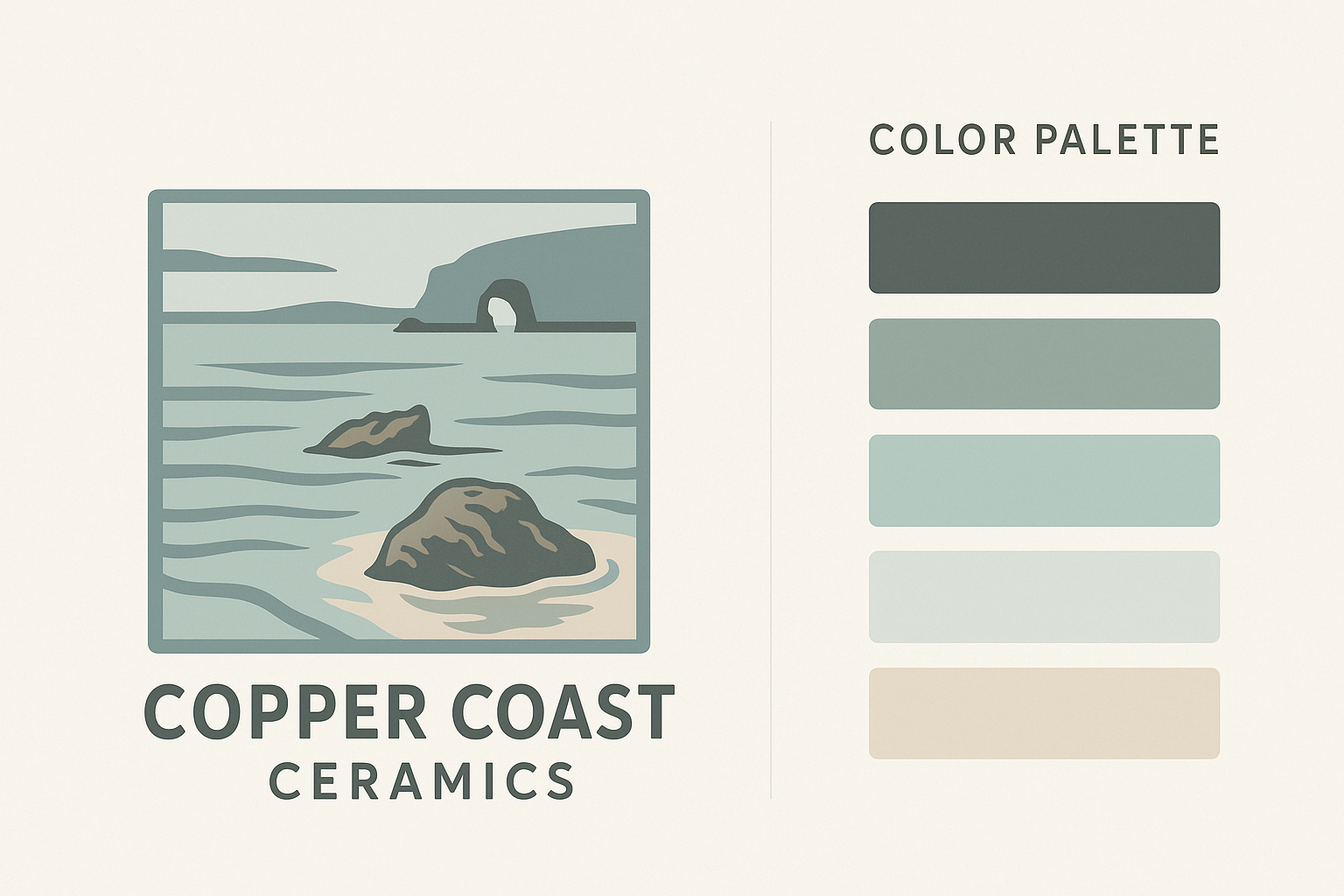
- Logo Refinement and Visual Style Definition: The AI-generated logo concepts underwent user-led refinement. Subsequently, this polished logo, in conjunction with the original base image, was instrumental in creating a comprehensive style tile. This tile established a consistent color palette (notably
#FDFBF5,#586464,#7C9393,#9EB0B0,#E9EAE5) and the overall visual ambiance for the website.- Supporting Asset: View the Style Tile View the Inspiration Image
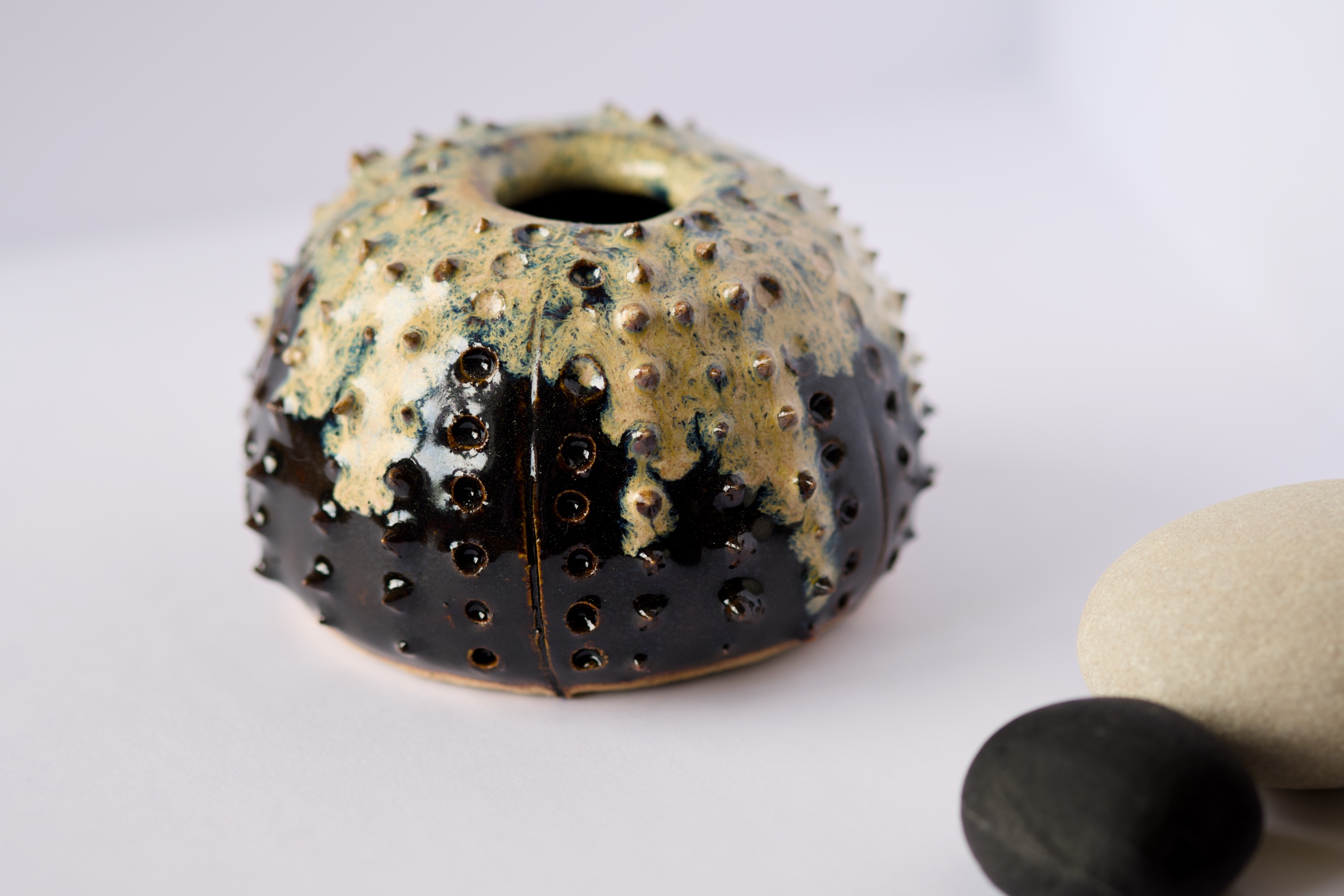
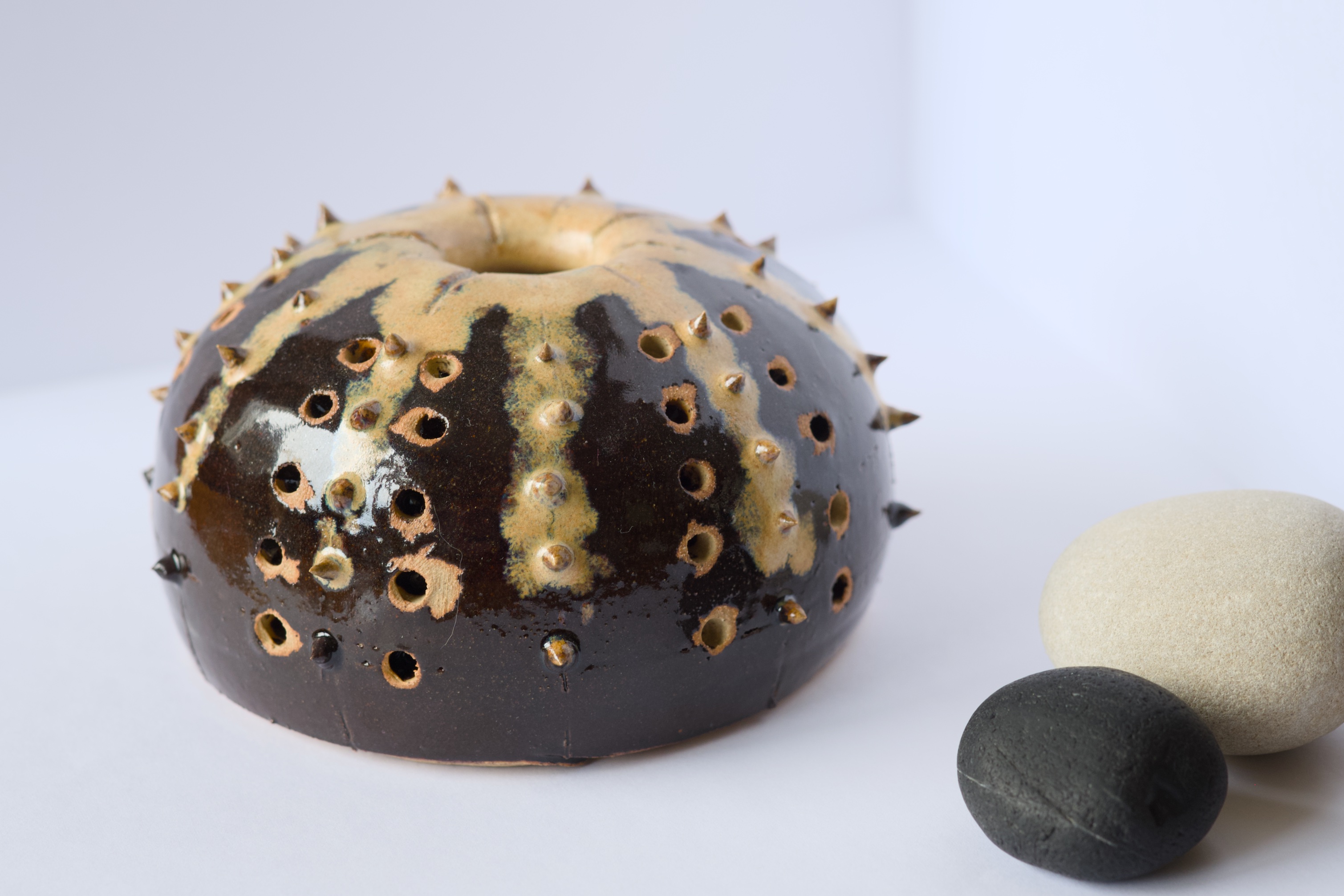
- Product Photography and Curation: The user meticulously photographed their ceramic pieces. These images were then assigned logical, sequential filenames (e.g.,
CC1.jpg,CC2.jpg, etc.) to facilitate efficient management and integration into the website’s gallery.- Gallery Examples: Ceramic Piece 1, Ceramic Piece 2 (Additional pieces
CC3.jpgthroughCC10.jpgare also available in the live demo’s gallery).
- Gallery Examples: Ceramic Piece 1, Ceramic Piece 2 (Additional pieces
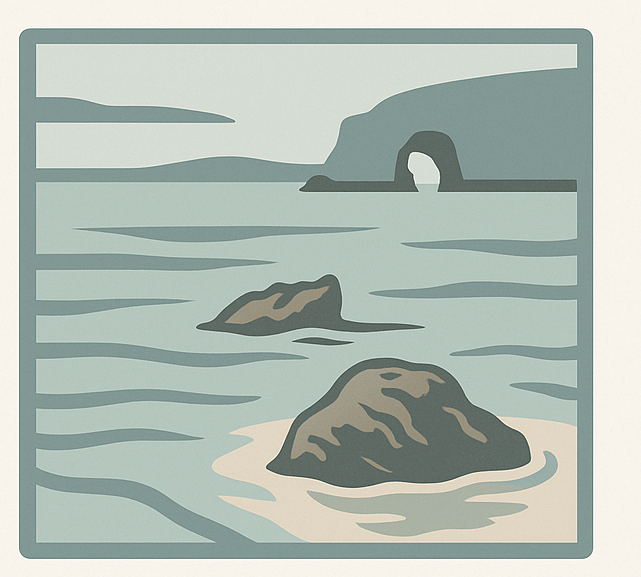
- Logo Variations for Versatility: Two distinct versions of the logo were finalized to cater to different use-cases: one incorporating text for clear brand communication (
CopperLogoTxt.png) and a purely graphical version (logoimg.jpg).- Brand Assets: Logo with Text, Graphical Logo
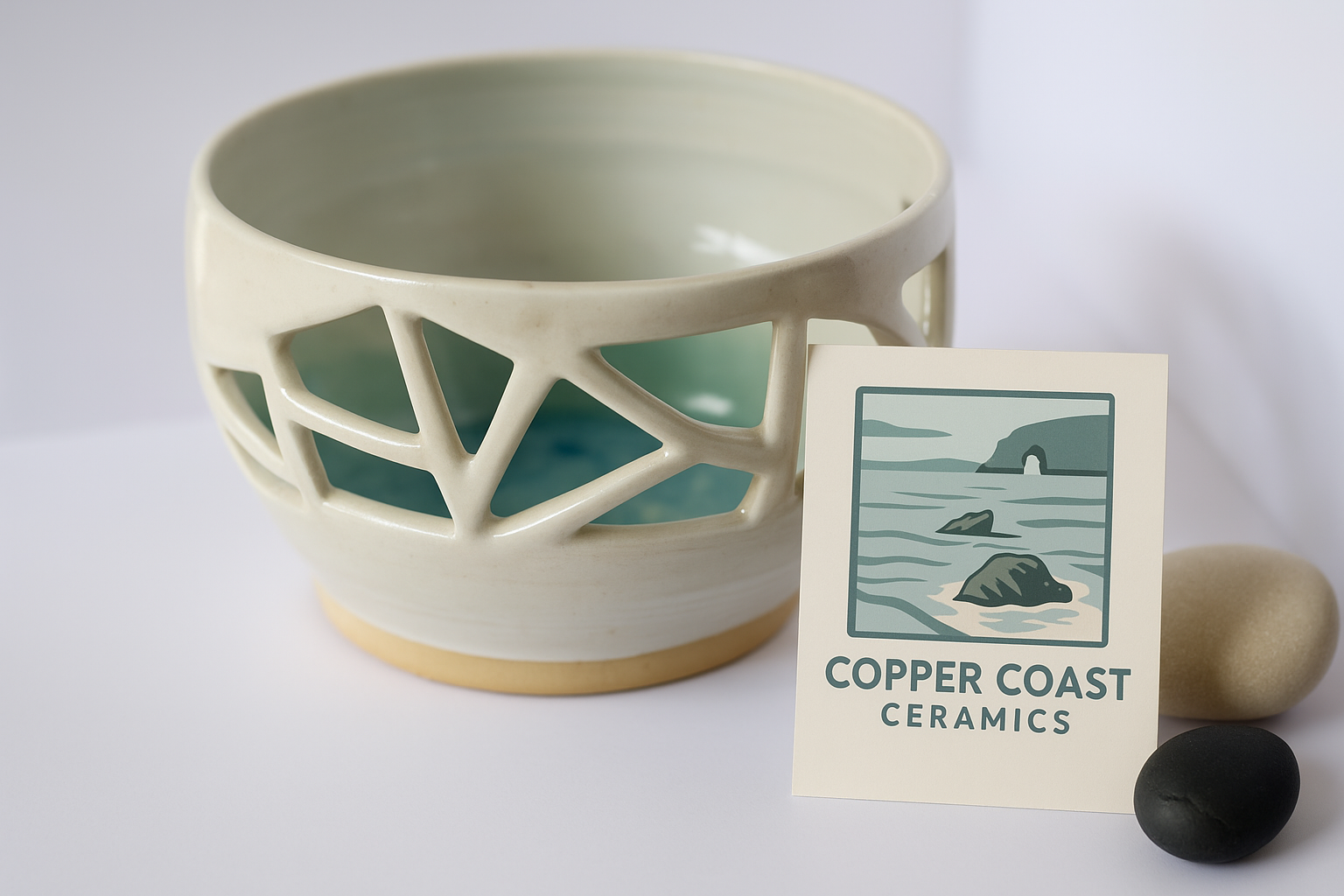
- AI-Assisted Hero Image Creation: The primary visual for the website’s hero section was crafted by the user uploading one of their photographs to GPT-4o. The AI was then instructed to digitally integrate a card displaying the “Copper Coast Ceramics” logo into this image, resulting in the final
Hero1.png.- Key Visual: Website Hero Image
- Strategic Reuse of Reference Material: A pivotal element of this phase was the identification of an example HTML file (
final.html) from a antecedent project, which had also been developed with Gemini’s assistance. This reference file was particularly valuable as it contained a robust, well-functioning, and previously debugged Lightbox gallery feature. The user’s intent to leverage this pre-existing component exemplifies an efficient development strategy: the reuse of validated elements from prior AI interactions to ensure stability and “lock in” developmental gains.

Phase 2: Initial AI-Assisted Website Generation (User-AI Collaboration with Gemini)
With a comprehensive suite of assets and clear reference material, the project transitioned into AI-driven website generation, closely guided by the user.
- Defining the Project for AI (Gemini): The user articulated the project’s objective to Gemini: the creation of an aesthetically pleasing (“beautiful”) single-page website to showcase the ceramic works. Specific structural requirements included “About,” “Gallery,” and “Contact” sections.
- Provision of Assets and Context to AI: The following curated assets were provided to Gemini: a sample product image, both logo versions, the style tile, the example
final.html(with emphasis on its Lightbox functionality), and key textual content including the brand name “Copper Coast Ceramics” and its location near Tramore on the Copper Coast. - Explicit Instruction to Leverage Prior Work: The user explicitly directed Gemini to incorporate the Lightbox functionality from the provided
final.html. This directive underscores a sophisticated approach to AI collaboration, focusing on iterative improvement and the strategic reuse of proven code modules. - Generation of Initial HTML Structure: Based on these detailed inputs, Gemini generated the first iteration of the
copperCoastCeramicsSiteHTML document, encompassing a responsive navigation bar, hero section, the three requested content sections, and a footer. - Application of Styling via Tailwind CSS: The website’s styling was implemented using Tailwind CSS, loaded via a CDN. Custom styles, directly derived from the
styletile.jpg(color palette and font choices like ‘Lora’ for headings and ‘Open Sans’ for body text), were embedded within the HTML structure. - Integration of Initial Functionality: Core functionalities were implemented, including the Lightbox gallery structure (based on the reference), a placeholder contact form, and JavaScript for mobile menu toggling and Lightbox operation.
Phase 3: Iterative Refinement and Correction (User Feedback Driving AI Updates)
The initial AI output served as a functional baseline, which was then refined through an iterative feedback loop between the user and Gemini.
- First Round of User Feedback and AI Updates:
- Hero Background: The intended hero image (
Hero1.png) was not displaying. Gemini corrected the CSSbackground-imagepath and file extension. - Logo Sizing: Logos in the navigation bar and footer were perceived as undersized. Gemini adjusted the Tailwind CSS height classes to enlarge them.
- Gallery Previews: Square gallery image previews mismatched the landscape orientation of the product photos. Gemini modified the CSS
aspect-ratiofor gallery items to16/9and ensuredobject-fit: coverwas applied for optimal display.
- Hero Background: The intended hero image (
- Second Round of User Feedback and AI Updates:
- Hero Image Confirmation: The filename
Hero1.pngwas re-confirmed, and the CSSbackground-imageURL was definitively set. - Footer Logo Enlargement: A request for a further increase in the footer logo’s size was implemented by Gemini.
- Code Cleanup: A stray HTML comment inadvertently left in the navigation bar code was identified and removed by Gemini.
- Hero Image Confirmation: The filename
This meticulous process of review and targeted requests for modification was instrumental in aligning the website with the user’s vision.
Phase 4: Backend Connectivity and Deployment Strategy
The final phase focused on enabling interactivity and making the website publicly accessible for its educational purpose.
- Contact Form Backend Integration: To handle form submissions without a custom server-side backend, Formspree was selected. The process involved the user signing up for Formspree, obtaining a unique endpoint URL, and Gemini updating the
<form>tag’sactionattribute in theccc3.htmlfile. - Publishing for Educational Showcase (GitHub Pages with Jekyll): The user decided to host the website on their existing Jekyll-based GitHub Pages site.
- A dedicated
copper/directory was created within the root of the GitHub repository. - The final website HTML file (named
ccc3.html) and all associated image assets (Hero1.png,CopperLogoTxt.png,logoimg.jpg,styletile.jpg, andCC1.jpgthroughCC10.jpg) were placed into thiscopper/directory. - This Jekyll post, and others, can then link to the live demo using the Liquid tag:
[Copper Coast Ceramics Showcase](/Design_Art_Research/copper/ccc3.html). Jekyll’s build process automatically includes this directory, making the static site accessible.
- A dedicated
Concluding Remarks: The Evolving Paradigm of Human-AI Creation
The development of the “Copper Coast Ceramics” website serves as a compelling case study in the evolving paradigm of human-AI collaboration. By strategically deploying AI tools for specific tasks—GPT-4o for nuanced image generation and Gemini for complex web development and iterative refinement—and by integrating user expertise for creative direction and quality assurance, it is possible to achieve sophisticated digital outcomes with enhanced efficiency. This project particularly highlights the value of building upon prior successful AI interactions, creating a virtuous cycle of development where gains in functionality and stability are preserved and extended. As AI technologies continue to mature, their role as integral partners in both creative and technical endeavors will undoubtedly expand, offering new potentials for innovation.
Technical Stack:
- HTML5
- Tailwind CSS (via CDN)
- JavaScript (for mobile menu interactivity and Lightbox gallery)
- Formspree (for contact form backend processing)
- Hosted on GitHub Pages (via Jekyll)
AI Tools Leveraged:
- GPT-4o: Utilized for initial logo concept generation and AI-assisted modification of the hero image.
- Gemini: Employed for primary website code (HTML, CSS, JavaScript) generation, interpretation of design requirements from the style tile, and iterative refinement based on user feedback.